

Trucking Dispatch Service: Everything You Get and How It Helps Your Fleet
Running a truck is one job. Running a trucking business is several jobs at once. Between driving, finding freight, negotiating rates, chasing invoices, and keeping up with federal paperwork, many carriers end up working far more hours than their logbook shows. That is why trucking dispatch services have become a standard part of how small and mid-sized fleets operate.
But what do you actually get when you hire one? The answer depends on the provider, and the gap between a basic booking agent and a full-service partner is wide. This guide walks through what a professional trucking dispatch service typically includes, so you can judge whether an offer is worth your money.
1. Load Searching and Booking
The most visible part of dispatch is finding freight. A professional dispatcher does not just grab the first load that appears on a board. They monitor several load boards, work direct relationships with brokers and shippers, and match opportunities to your equipment, your preferred lanes, and your home-time needs.
A good dispatcher also looks past the posted rate. They consider the pickup and drop-off locations, the likelihood of finding a return load, fuel costs, tolls, and detention risk. A load that looks strong on paper can lose money once empty miles are counted. Experienced dispatchers think in terms of the whole trip, not a single leg.
2. Rate Negotiation

Rate negotiation is where dispatch services often earn their fee. Brokers start with an offer that leaves them room to move, and most drivers don’t have the time or the market data to push back well. A dispatcher spends the day on the phone with brokers and knows what similar lanes have paid recently.
Professional negotiation covers more than the line-haul number. A skilled dispatcher also asks about fuel surcharges, detention and layover pay, lumper reimbursement, and extra stops. Even a modest improvement in revenue per mile adds up quickly over a year, which is why carriers value this service so highly. A dispatcher will also tell you when to turn a load down, which saves money in its own way.
Rate negotiation services may include:
- Negotiating competitive rates per mile.
- Discussing payment terms with brokers.
- Requesting detention and layover compensation.
- Negotiating Truck Ordered Not Used (TONU) fees.
- Reviewing rate confirmations before booking.
For owner-operators, effective rate negotiation can make a meaningful difference in weekly gross revenue and overall business profitability.
Learn more about professional truck rate negotiation services.
3. Route Planning and Deadhead Reduction
Empty miles are one of the highest hidden costs in trucking. Every mile driven without freight burns fuel, wears equipment, and uses up hours of service without earning anything.
Dispatchers plan routes to keep your truck loaded as much as possible. They look for backhauls, link loads into efficient chains, and steer you toward markets where freight is plentiful. They can also avoid trapping you in a low-demand area where the next load pays poorly. Good planning of this kind improves both income and driver satisfaction.
4. Broker and Shipper Communication
Much of a driver’s day can disappear into phone calls and emails: confirming pickup times, asking about delays, requesting rate confirmations, and sorting out misunderstandings. A dedicated dispatcher takes over most of this communication.
Once your truck is on a load, the dispatcher is the point of contact. They check in with the broker, share updates, and flag problems early. If a shipper runs late at the dock, they can speak up before it becomes a missed delivery window. Because that conversation happens off the road, you can stay focused on driving safely.
5. Paperwork and Document Management

Every load generates documents: rate confirmations, bills of lading, proof of delivery, and carrier packets. Missing or incorrect paperwork can delay payment by days or weeks.
A professional service organizes this flow. It collects the right documents, checks them for errors, and stores them where you can find them. It also handles broker onboarding, which means filling out carrier packets and supplying your authority, insurance certificate, and W-9 to new partners. This unglamorous work keeps your business running without interruptions.
Explore truck document management and paperwork services to understand how professional support can reduce administrative work.
6. Invoicing and Payment Follow-Up
Getting paid is the point of every load, yet many small carriers struggle with slow collections. Invoicing and follow-up are often built into a full dispatch package.
The service prepares invoices accurately, attaches the required documents, and submits them on time. If you use a factoring company, the dispatcher coordinates with them so funding is not held up by a missing signature or a wrong reference number. If you don’t use factoring, they follow up with brokers when payment runs late. Consistent invoicing helps cash flow, and healthy cash flow helps you cover fuel, insurance, and repairs without stress.
This support can include:
- Preparing freight invoices.
- Organizing completed load documents.
- Submitting BOLs and PODs.
- Following up on outstanding invoices.
- Coordinating with brokers about payment questions.
Accurate and timely invoicing helps reduce administrative delays and gives carriers better visibility into their completed loads and expected payments.
For additional support, explore trucking accounting services.
7. Bookkeeping and Accounting Support
Knowing how much you earn per mile is not the same as knowing how much you keep. Fuel, maintenance, insurance, tolls, and truck payments all eat into revenue, and many owner-operators don’t track them closely until tax season.
Some dispatch providers include or offer bookkeeping that records income and expenses, organizes receipts, and produces simple profit-and-loss reports. This visibility helps you spot weak lanes, measure the real cost of running, and plan for upgrades. It also makes tax preparation far less painful.
8. Compliance and Regulatory Support
Compliance is easy to ignore until an audit or roadside inspection forces the issue. Regulations around DOT numbers, MC authority, IFTA fuel reporting, the Unified Carrier Registration, driver qualification files, and hours of service can overwhelm a small operation.
Many professional services help you stay organized and on schedule. That may include tracking renewal dates, keeping driver files current, and assisting with filings. For new carriers, some providers also guide company setup and authority registration. Staying compliant protects you from fines and keeps your safety record clean, and a clean record helps with insurance rates and broker confidence.
Why Should Owner-Operators Hire a Professional Truck Dispatch Service?
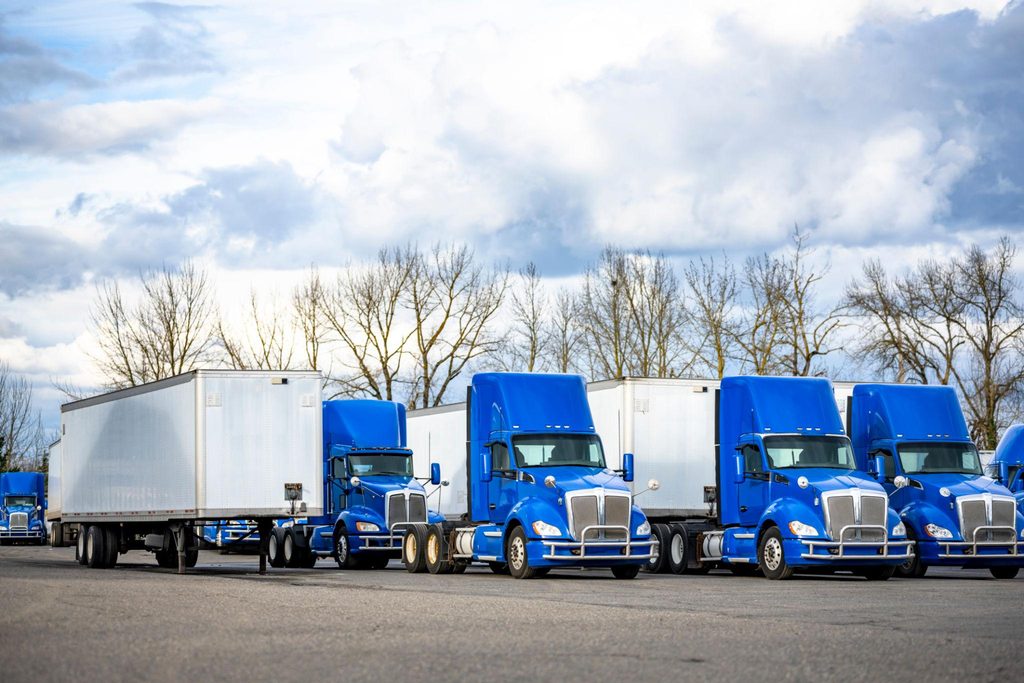
Managing freight searches, broker communication, paperwork, and billing independently can become overwhelming. Professional dispatch support allows owner-operators to delegate important administrative responsibilities while maintaining control over their trucking business.
Some major benefits include:
More Time for Driving: Dispatchers handle many time-consuming administrative tasks, allowing drivers to focus on transportation.
Better Load Opportunities: Professional load searches help carriers identify shipments that match their equipment and preferred lanes.
Stronger Rate Negotiations: Experienced dispatchers communicate with brokers to pursue competitive rates and applicable accessorial payments.
Organized Paperwork: Proper document handling helps reduce missing paperwork and billing complications.
Flexible Business Support: Carriers can receive assistance based on their equipment, schedule, and operational requirements.
A professional dispatch service does not guarantee specific earnings or eliminate every challenge in trucking. However, the right support can make daily operations easier to manage.
What Does Extreme Dispatch Include in Its Trucking Dispatch Services?
At Extreme Dispatch, we provide more than basic freight booking. Our services are designed to support owner-operators, independent carriers, and growing trucking fleets across the United States.
Our professional dispatch support includes load searching, rate negotiation, broker and shipper communication, shipment coordination, documentation management, and additional back-office assistance.
Carriers can also access billing, invoicing, factoring coordination, and trucking accounting support based on their business needs.
We work with multiple equipment types, including dry van, reefer, flatbed, step deck, power only, hotshot, and straight trucks. Our approach focuses on understanding each carrier’s requirements and finding freight opportunities that match their operation.
We also believe carriers should remain in control of their business decisions. Our zero-forced-dispatch approach means you can review available loads and decide which shipments you want to accept.
If you want to spend less time managing dispatch responsibilities and more time focusing on your trucking operation, explore our truck dispatching services.
Final Thoughts
A professional trucking dispatch service is far more than someone who finds loads. At its best, it combines freight sourcing, rate negotiation, route planning, communication, documentation, invoicing, accounting, and compliance into one support system. That frees you to focus on driving and on growing your business rather than drowning in administrative tasks.
If you are considering outsourcing, weigh the full range of services against the fee. The right partner should improve your revenue per mile, shorten your payment cycle, and take real stress off your plate. Choose one that is transparent, responsive, and built for the kind of truck you run.
Frequently Asked Questions
1. What does a trucking dispatch service do?
A trucking dispatch service finds and books loads, negotiates rates with brokers, plans routes, and handles communication and paperwork. Many also offer invoicing, accounting, and compliance support, so you can focus on driving.
2. How much does a truck dispatch service cost?
Most dispatchers charge a percentage of each load’s gross revenue, while some use a flat monthly or weekly fee. The rate varies by provider and by the services included, so always confirm the pricing in writing before you sign.
3. Can a dispatcher help me earn more per mile?
Yes. A good dispatcher compares rates, negotiates extras like detention and fuel surcharges, and reduces empty miles by linking loads efficiently. Results depend on your lanes, equipment, and market conditions.
4. Do I need a long-term contract with a dispatch company?
Not always. Many providers offer flexible terms, and it’s smart to choose one that lets you pause or cancel without penalties. Read the agreement carefully for notice periods and hidden fees.
5. Can I use dispatch services if I already work with a factoring company?
Usually, yes. A dispatcher can coordinate with your existing factoring partner by sending complete documents on time, which helps you get funded faster without changing your current setup.
Call: +1 (656) 565-3050
Email: carriers@extremedispatch.com
Website: https://www.extremedispatch.com/