
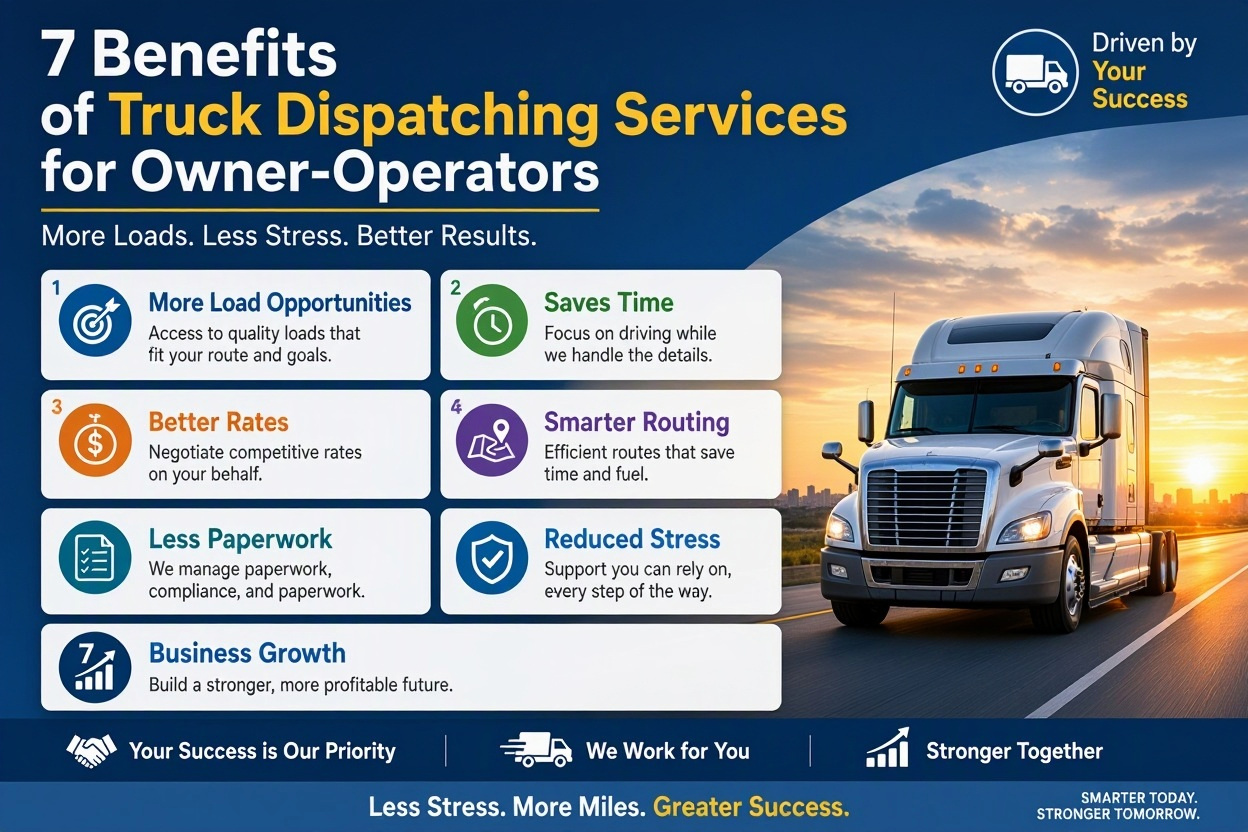
Running your own truck means wearing many hats. You are the driver, the mechanic, the accountant, the negotiator, and the person who has to find the next load before the current one is even delivered. For many owner-operators, hours spent on the phone with brokers and chasing paperwork quietly eat into time they could spend driving and earning. That is where professional truck dispatching services come in. A good dispatcher works as an extension of your business, handling the planning and communication so you can focus on the road. Below are seven practical benefits of working with a professional dispatcher and why more independent drivers are making the switch.
Consistent Access to Quality Loads
Finding freight is the single biggest challenge for most independent truckers. Load boards are crowded, the best loads disappear within minutes, and spending hours scrolling through listings is exhausting. Professional dispatchers spend their entire day on this task. They monitor multiple load boards, maintain direct relationships with brokers and shippers, and know where the strongest freight is moving each week.
Because of these connections, dispatchers can often secure loads that are never publicly posted. That means fewer gaps between deliveries and a steadier flow of work. Instead of hoping to find something decent when you finish a drop-off, you already have your next move lined up. Consistency like this makes it far easier to plan your month, cover your fixed costs, and avoid the stress of sitting idle with an empty trailer. Learning how to find profitable truckloads can also help independent carriers maintain consistent work and reduce downtime.
2. Better Rates Through Skilled Negotiation
Negotiating freight rates is both an art and a science. Brokers are professionals, and they expect to pay as little as possible. Many owner-operators accept the first offer simply because they are tired, short on time, or unsure what a fair rate looks like. Over a year, those small concessions can add up to thousands of dollars in lost income.
Experienced dispatchers know current market rates by lane, season, and equipment type. They understand when a broker has room to move and when to walk away. Since their own earnings are usually tied to a percentage of your revenue, they are motivated to push for the highest possible rate. Even after paying the dispatching fee, many drivers find that their net income rises because the rates they earn are noticeably stronger than what they negotiated alone. Professional rate negotiation services can help carriers evaluate freight offers and negotiate more competitive rates.
3. Less Paperwork and Administrative Stress
Paperwork is the part of trucking nobody enjoys. Rate confirmations, bills of lading, invoices, carrier packets, and broker onboarding forms all need attention, and mistakes can delay payment. After a long day behind the wheel, handling these documents is draining and easy to postpone.
A professional dispatching service takes much of this burden off your shoulders. Many handle broker setup, organize load documents, check rate confirmations for accuracy, and help ensure invoices are submitted promptly. Faster, cleaner paperwork means quicker payment and fewer disputes. It also leaves you with more evenings at home, or more time to rest before your next run, rather than sitting at a laptop sorting through documents. Professional trucking invoice services can further simplify billing, document submission, and payment tracking.
4. More Time Behind the Wheel, and More Time to Rest
Time is the most valuable resource an owner-operator has. Every hour spent searching for freight or arguing over a rate is an hour not spent driving. When a dispatcher manages those tasks, your schedule opens up in two important ways. First, you can maximize your driving hours within legal limits, keeping the truck productive and revenue moving.
Second, you gain genuine downtime. Rest is not a luxury in this industry; it is a safety requirement. Drivers who are well-rested make better decisions, stay more alert, and are less likely to be involved in accidents. By removing the constant pressure of load hunting, a dispatcher helps you maintain a healthier work rhythm. You can park, eat properly, and sleep without worrying about who still needs to be called.
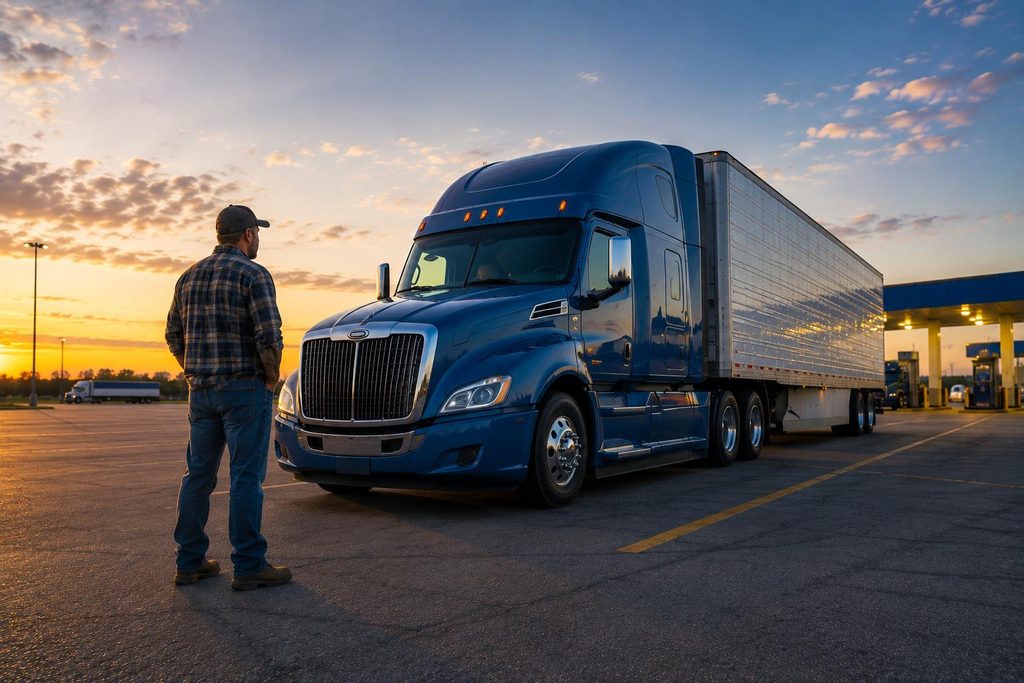
5. Smarter Route Planning and Reduced Deadhead Miles
Deadhead miles, the miles you drive without a paying load, are one of the highest hidden costs in trucking. Fuel, wear on the tires, and driver time all go into those empty miles, and none of it earns a cent. Reducing deadhead is one of the fastest ways to improve profitability.
Dispatchers plan with the bigger picture in mind. Rather than booking a single load at a time, they look at where the delivery will end and what freight is available nearby for the return or next leg. By linking loads strategically, they help you stay loaded more often and travel fewer empty miles. Good planning also considers fuel stops, toll costs, weigh stations, and delivery windows, which keeps trips efficient and predictable instead of reactive and rushed. Carriers operating specialized equipment can also explore power-only dispatch services to find suitable freight opportunities.
6. Stronger Broker Relationships and Credibility
In trucking, relationships matter. Brokers prefer working with carriers who are reliable, communicative, and easy to deal with. A dispatching company that works with brokers daily builds a reputation for professionalism, and that reputation can benefit you directly. When a broker recognizes the dispatcher, they are more likely to offer priority access to good freight and to treat your truck as a trusted partner.
Dispatchers also act as a buffer when issues arise. If a delivery is delayed, a shipper changes the appointment, or a payment question comes up, your dispatcher can handle the communication calmly and professionally. This protects your standing with brokers while sparing you from stressful conversations when you should be focused on driving safely.
7. Lower Overhead Than Hiring In-House Help
Some owner-operators consider hiring a full-time employee to handle back-office work, but that approach comes with salary, taxes, equipment, and management responsibilities that a small operation may not be able to support. A dispatching service offers a flexible alternative. Most charge a modest percentage of each load or a set monthly fee, so your costs scale with your income.

How to Choose the Right Dispatching Service
Not every dispatcher is equal, so choose carefully. Look for a company with transparent pricing and no hidden fees. Ask how they communicate, how they handle disputes, and whether they work with your equipment type and preferred lanes. Request references from other owner-operators, and make sure the agreement lets you accept or decline loads. A trustworthy dispatcher respects your goals and keeps you informed at every step.
Before choosing a truck dispatching company, compare its pricing, communication process, equipment coverage, and contract terms.
Final Thoughts
Owning your truck gives you freedom, but freedom does not have to mean doing everything yourself. Professional dispatching services offer better loads, stronger rates, lighter paperwork, smarter routes, and more time for what matters most: driving safely and growing your business. For many owner-operators, the right dispatcher is not an added cost; it is an investment that pays for itself through higher earnings and less stress. If you are tired of juggling the road and the office at the same time, it may be time to put an experienced partner in the dispatcher’s seat and let your truck do what it does best.
New carriers can also explore a dispatch service for new MC carriers to get support while building their trucking business.
Frequently Asked Questions (FAQs)
1. What are truck dispatching services for owner-operators?
Truck dispatching services help owner-operators find freight loads, negotiate rates, communicate with brokers, manage paperwork, and coordinate deliveries. These services allow independent truck drivers to focus more on driving and managing their businesses.
2. How much do truck dispatching services cost?
Most truck dispatching companies charge a percentage of the gross load revenue or a fixed fee. Pricing varies depending on the company, services offered, and agreement terms. Always confirm the pricing before signing up.
3. Are truck dispatching services worth it for owner-operators?
Yes, professional dispatching services can be valuable for owner-operators who want help finding loads, negotiating freight rates, reducing administrative work, and managing their schedules more efficiently.
4. Can a truck dispatcher help me find better-paying loads?
A professional dispatcher can research available freight, compare market rates, communicate with brokers, and negotiate load rates. This can help owner-operators identify more profitable freight opportunities.
5. Do owner-operators need a dispatching service?
No, hiring a dispatching service is not mandatory. Owner-operators can find loads and manage paperwork independently. However, professional dispatch support can save time and simplify daily operations.
6. What should I look for in a truck dispatching company?
Look for transparent pricing, industry experience, clear communication, broker relationships, and experience with your equipment type. Also, make sure you retain control over accepting or rejecting loads.
7. Can new MC authority carriers use truck dispatching services?
Yes, new MC authority carriers can work with dispatching companies that accept newly established carriers. However, broker onboarding requirements, insurance conditions, and authority-age policies may affect available freight opportunities.